Residential HVAC
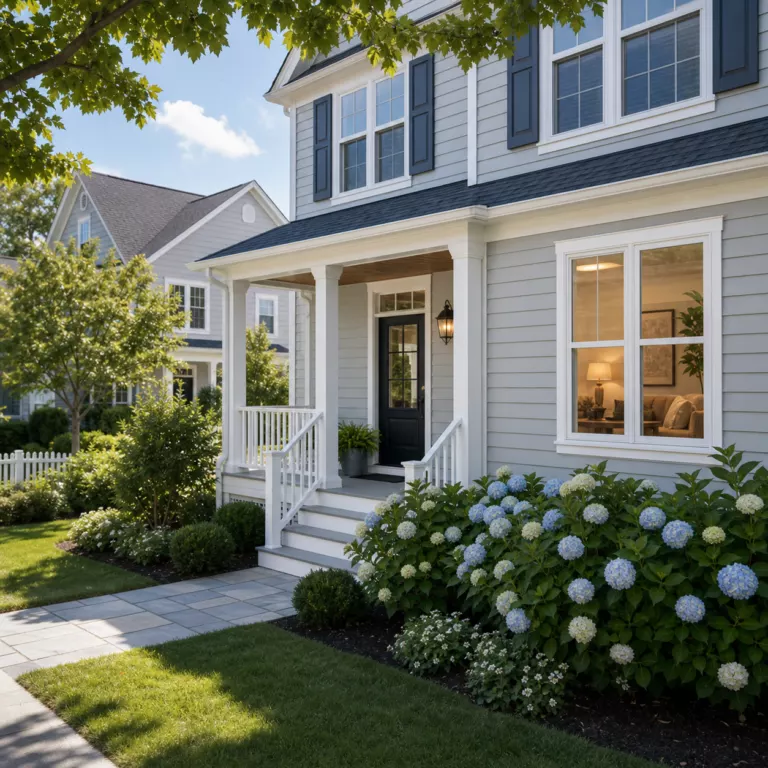
Heating, cooling, indoor air quality, water heating, and comfort services for Massachusetts homes and condos.
View services
Rodeo Service Area
Green Flow Solution serves Rodeo, CA with residential, commercial, and light-commercial HVAC service. Share the property type, equipment, symptoms, access details, and preferred timing so the team can confirm the appropriate service path.
Rodeo at a glance
Housing and heating context
Rodeo has a comparatively newer housing mix, the housing profile is primarily lower density, owner and renter occupancy are both prominent. Utility gas and electricity are the two largest reported home-heating fuel categories. These citywide measures provide context for access, scheduling, ventilation, electrical needs, and phased project planning; each property still requires its own assessment.
Heating, cooling, indoor air quality, water heating, and comfort services for Massachusetts homes and condos.
View services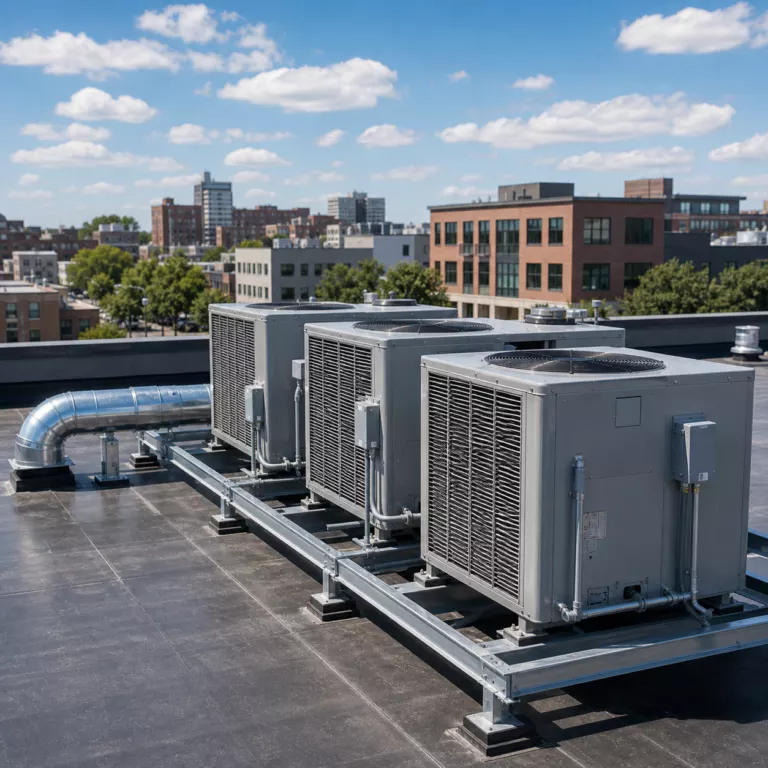
Commercial heating, cooling, ventilation, controls, maintenance, and replacement support for occupied buildings and facilities.
View services
Efficiency assessments, electrification, high-performance equipment, controls, and rebate-support services.
View services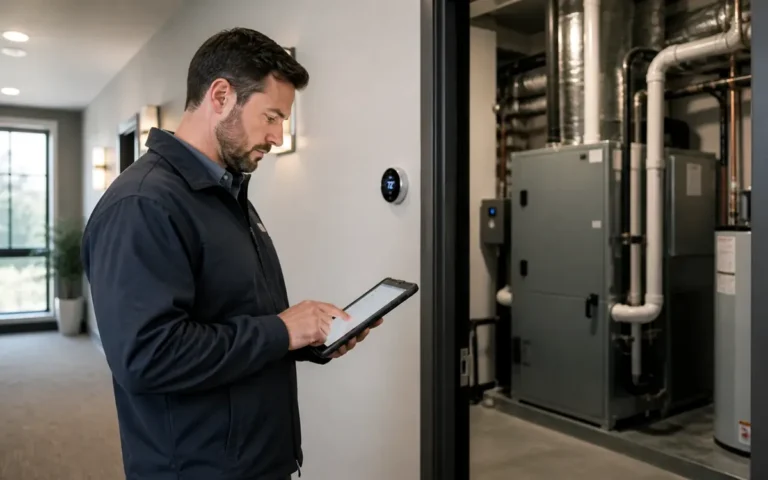
Coordinated HVAC maintenance, repair, planning, and reporting for managed properties and multi-site portfolios.
View services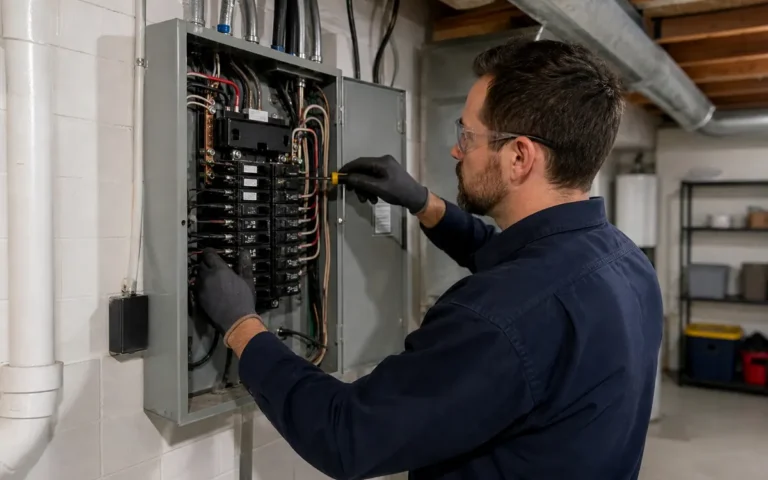
Licensed electrical troubleshooting, upgrades, circuits, controls, and equipment connections for residential and commercial properties.
View servicesProject examples
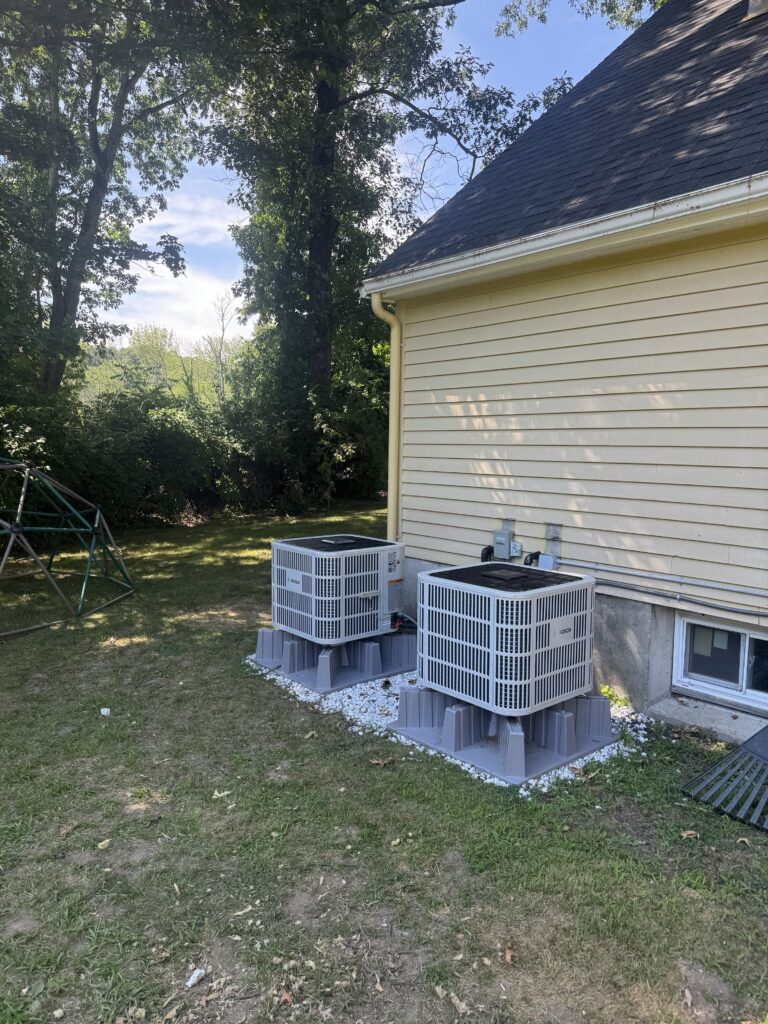
Green Flow Solution recently completed three Bosch heat pump installations in Sudbury, Massachusetts, helping homeowners upgrade to reliable,...
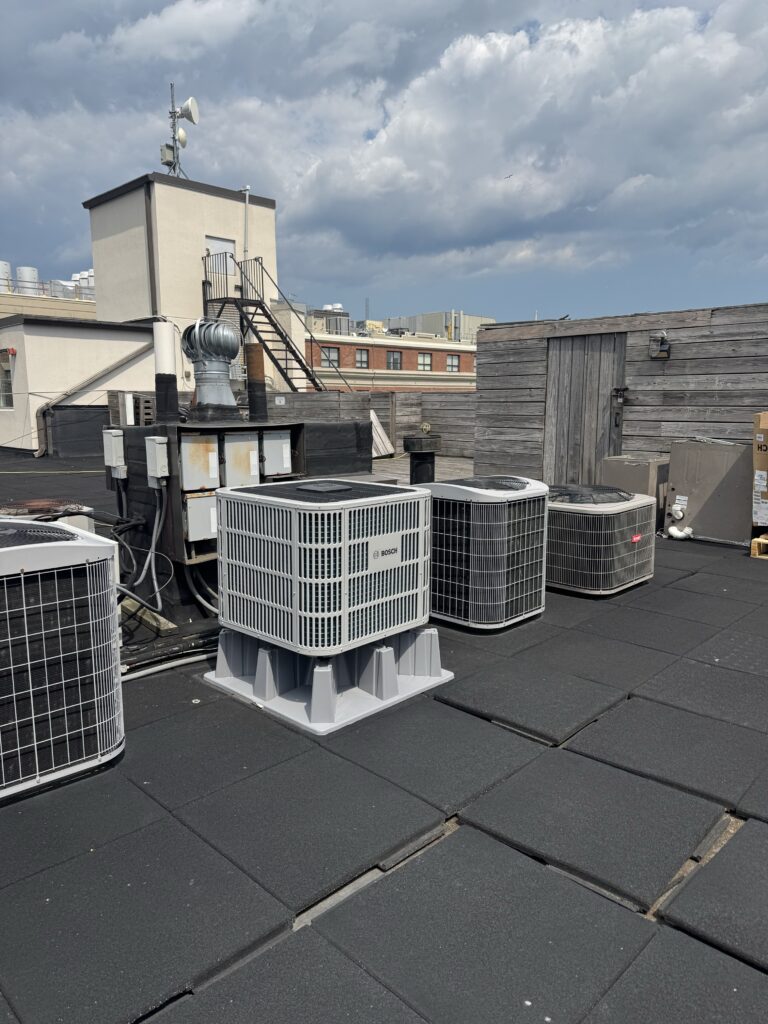
Our technicians recently completed a Bosch heat pump system with a York gas furnace installation in Boston, Massachusetts,...
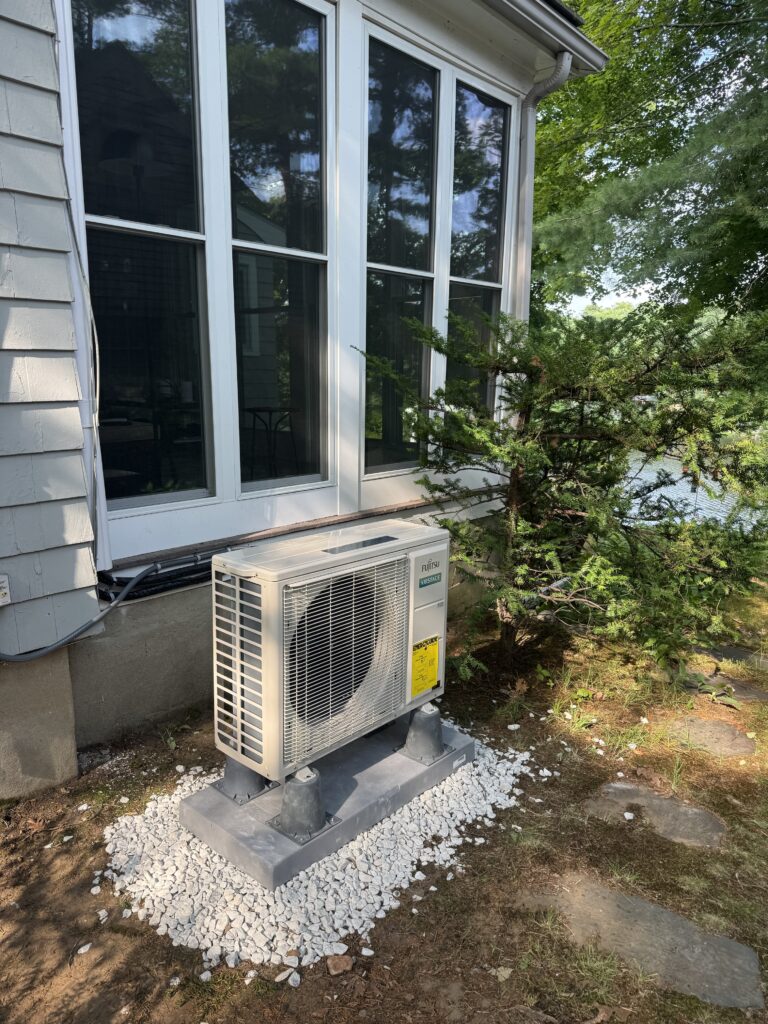
Our Technician recently completed a Fujitsu cold climate mini-split installation in Massachusetts, providing the homeowner with an energy-efficient...
Rodeo has a comparatively newer housing mix, a lower-density housing profile, and mixed renter and owner occupancy. These community-level figures help frame questions about access, phasing, electrical readiness, ventilation, and occupant coordination. They do not describe the HVAC equipment or condition of a particular property.
Utility gas (76.5%) and electricity (22.1%) are the two largest categories in the 2024 ACS profile for occupied homes in Rodeo. Green Flow still confirms the installed equipment, fuel source, controls, and building needs before recommending service or replacement work.
The ACS estimates that 11.8% of Rodeo housing units were built in 1939 or earlier. For an individual property, Green Flow may need to verify available space, duct or piping routes, ventilation, electrical capacity, and the existing system before defining a scope. Building age alone does not establish equipment condition.
The ACS profile places 12.2% of Rodeo housing units in structures with two or more units. Multifamily requests can require access coordination, shared-system identification, equipment-location confirmation, occupant scheduling, and a clear distinction between unit-level and building-level responsibility.
The ACS estimates that renters occupy 41.0% of occupied homes in Rodeo. When a tenant, owner, or property manager requests service, Green Flow confirms the responsible contact, access instructions, affected spaces, equipment location, and approval path before work is scheduled.
Share the property type, installed heating and cooling equipment, visible model and serial numbers, current symptoms, thermostat or error-code photos, access instructions, and whether the issue affects one room, the full property, tenants, or customers. Although utility gas leads the community profile, Green Flow verifies the actual system at the property rather than assuming it matches Census averages.
Popular cities
Try another nearby city or contact GreenFlow to confirm service availability.