Packaged HVAC

Back to Bryant products

Bryant 605C LEGACY™ LINE HEAT PUMP service and support

Bryant Residential packaged HVAC Packaged HVAC Repair, maintenance, and replacement planning
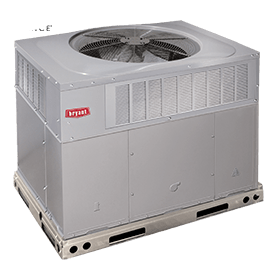
Bryant 605C LEGACY™ LINE HEAT PUMP product image

Product service snapshot

Bryant 605C LEGACY™ LINE HEAT PUMP service details

System Type: Heat Pumps SEER2 Range: 13 to 15.9 SEER2 COOLING EFFICIENCY: 13.4 SEER2 HEATING EFFICIENCY: 6.7 HSPF2 Compressor Type: Single-Stage

  • Brand: Bryant
  • Model or series: 605C LEGACY™ LINE HEAT PUMP
  • Equipment type: Packaged HVAC
  • Product group: Residential packaged HVAC

Technical snapshot

Bryant 605C LEGACY™ LINE HEAT PUMP technical snapshot

Product Specs

  • System Type: Heat Pumps
  • SEER2 Range: 13 to 15.9 SEER2
  • COOLING EFFICIENCY: 13.4 SEER2
  • HEATING EFFICIENCY: 6.7 HSPF2
  • Compressor Type: Single-Stage
  • Energy Efficiency: 13.4 SEER2/ 11 EER2 cooling; 6.7 HSPF2 heating
  • Heating and Cooling Stages: Single-stage operation
  • Quiet Levels: During most common cooling operating condition: 70 dB
  • Blower Motor: High-efficiency multi-speed Compressor Single-stage scroll
  • Refrigerant: Puron Advance refrigerant
  • Coil: Corrosion-resistant aluminum coil design
  • Capacity: 2-5 tons
  • Design: Coil on top, solid panels below
  • Construction: Galvanized steel with high-tech composite (rust-free) base
  • Paint: Baked-on urethane base coat and polyester top coat
  • Brand: Bryant
  • Model or series: 605C LEGACY™ LINE HEAT PUMP
  • Equipment type: Packaged HVAC
  • Product group: Residential packaged HVAC
  • System role: Self-contained packaged HVAC unit
  • Application: Commercial, light-commercial, or managed-building HVAC and water-heating applications
  • Compatibility check: Match with compatible indoor unit, coil or air handler, controls, refrigerant, voltage, and capacity.
  • Verified source: bryant.com

Useful troubleshooting details

  • Confirm the packaged unit model, serial number, tonnage, voltage, refrigerant or fuel type, control setup, access location, and service history.
  • Share no-heat, no-cooling, weak airflow, alarms, control issues, tenant comfort complaints, condensate, or unusual noise.
  • For planning, include business hours, rooftop or mechanical access notes, tenant impact, replacement timing, and maintenance history.

Service planning

How GreenFlow handles 605C LEGACY™ LINE HEAT PUMP requests

1

Identify the equipment

Confirm the model or series name, serial number if available, photos, and whether the unit is roof, exterior, basement, or mechanical-room equipment.

2

Describe the service issue

Share no heat, no cooling, weak airflow, error codes, alarms, leaks, noise, control problems, or comfort complaints.

3

Review access and history

Include access notes, tenant or business-hour constraints, filter status, recent repairs, and maintenance records when available.

4

Plan the next step

GreenFlow can route the request for diagnostics, repair planning, maintenance, replacement scope, or related system upgrades.

605C LEGACY™ LINE HEAT PUMP service questions

Can GreenFlow help with Bryant 605C LEGACY™ LINE HEAT PUMP service requests?

Yes. GreenFlow can help collect the right details for Bryant 605C LEGACY™ LINE HEAT PUMP service requests, including the model, symptoms, equipment age, building type, access notes, photos, and timing.

What symptoms should I mention for 605C LEGACY™ LINE HEAT PUMP?

Helpful symptoms include no heat, no cooling, weak airflow, error codes, leaks, short cycling, unusual noise, thermostat behavior, and whether the issue is urgent or planned maintenance.

Is 605C LEGACY™ LINE HEAT PUMP used for residential or commercial properties?

Packaged HVAC requests may come from homes, condos, multi-unit properties, offices, managed buildings, and light-commercial spaces depending on the equipment type and application.

What helps schedule 605C LEGACY™ LINE HEAT PUMP service faster?

Share the exact model and serial number if available, clear photos of the equipment and surrounding access area, current symptoms, recent maintenance history, and whether the request is repair, maintenance, or replacement planning.