Boiler

Back to Ruud products

Ruud L-Series Super High Efficiency Condensing Boilers service and support

Ruud Residential water heating Boiler Repair, maintenance, and replacement planning
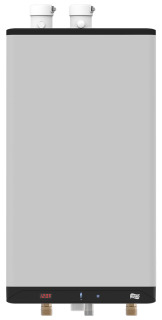
Ruud L-Series Super High Efficiency Condensing Boilers product image

Product service snapshot

Ruud L-Series Super High Efficiency Condensing Boilers service details

ENERGY STAR(R) Certified Up to 96% AFUE and ASME-rated Built-in Illuminated Touchscreen Control Panel Only 4 moving parts - Fan, Pump, Gas Valve and Damper Universal Shared Platform parts

  • Brand: Ruud
  • Model or series: L-Series Super High Efficiency Condensing Boilers
  • Equipment type: Boiler
  • Product group: Residential water heating

Technical snapshot

L-Series Super High Efficiency Condensing Boilers technical snapshot

Product Specs

  • Model or series: L-Series Super High Efficiency Condensing Boilers
  • Equipment type: Boiler
  • Product group: Residential water heating
  • ENERGY STAR(R) Certified Up to 96% AFUE and ASME-rated Built-in Illuminated Touchscreen Control Panel Only 4 moving parts - Fan, Pump, Gas Valve and Damper Universal Shared Platform parts
  • Brand: Ruud
  • AFUE and ASME-rated Built-in Illuminated Touchscreen Control Panel Only 4 moving par
  • Condensing Boilers ENERGY STAR(R) Certified Up to 96% AFUE and ASME-rated Built-in Illumin
  • ENERGY STAR(R) Certified Up to 96% AFUE and ASME-rated Built-in Illuminated Touchscreen Contro
  • System role: Hydronic heating equipment for hot-water heating systems
  • Application: Residential or commercial hydronic heating applications when model capacity is appropriate
  • Compatibility check: Verify fuel type, venting, electrical requirements, capacity, controls, and installation clearances.
  • Verified source: ruud.com

Useful troubleshooting details

  • Confirm the exact Ruud model, serial number, fuel type, capacity, venting, water connections, condensate routing, and installation location.
  • Share no-hot-water, temperature fluctuation, leak, pressure, ignition, error-code, scale, flushing, or venting symptoms.
  • For replacement planning, note gas or electric service, vent path, water quality, clearance, commercial schedule, and whether multiple fixtures or zones are affected.

Service planning

How GreenFlow handles L-Series Super High Efficiency Condensing Boilers requests

1

Identify the equipment

Confirm the model or series name, serial number if available, photos, and whether the unit is roof, exterior, basement, or mechanical-room equipment.

2

Describe the service issue

Share no heat, no cooling, weak airflow, error codes, alarms, leaks, noise, control problems, or comfort complaints.

3

Review access and history

Include access notes, tenant or business-hour constraints, filter status, recent repairs, and maintenance records when available.

4

Plan the next step

GreenFlow can route the request for diagnostics, repair planning, maintenance, replacement scope, or related system upgrades.

L-Series Super High Efficiency Condensing Boilers service questions

Can GreenFlow help with Ruud L-Series Super High Efficiency Condensing Boilers service requests?

Yes. GreenFlow can help collect the right details for Ruud L-Series Super High Efficiency Condensing Boilers service requests, including the model, symptoms, equipment age, building type, access notes, photos, and timing.

What symptoms should I mention for L-Series Super High Efficiency Condensing Boilers?

Helpful symptoms include no heat, no cooling, weak airflow, error codes, leaks, short cycling, unusual noise, thermostat behavior, and whether the issue is urgent or planned maintenance.

Is L-Series Super High Efficiency Condensing Boilers used for residential or commercial properties?

Boiler requests may come from homes, condos, multi-unit properties, offices, managed buildings, and light-commercial spaces depending on the equipment type and application.

What helps schedule L-Series Super High Efficiency Condensing Boilers service faster?

Share the exact model and serial number if available, clear photos of the equipment and surrounding access area, current symptoms, recent maintenance history, and whether the request is repair, maintenance, or replacement planning.