What the code means
E13: Blower HP or OEM ID mismatch
The Trane S9V2 Link-enabled operation alarm table identifies E13 when blower HP or OEM ID does not match the furnace.

Troubleshooting code
Back to all S9V2 96 Two-Stage Variable Speed Gas Furnace error codes
Blower HP or OEM ID mismatch. Use this page to document the issue and prepare for service. GreenFlow should handle diagnosis for electrical, refrigerant, lockout, or recurring conditions.

What the code means
The Trane S9V2 Link-enabled operation alarm table identifies E13 when blower HP or OEM ID does not match the furnace.
Call GreenFlow if the code repeats, the system is locked out, heating or cooling is not restored, there is ice buildup, electrical odor, unusual noise, or any issue involving pressure switches, sensors, wiring, refrigerant, reversing-valve operation, or warranty coverage.
Share the visible code, model and serial number if available, photos, current symptoms, and whether the issue affects heating, cooling, or both.
Showing services from our catalog
Match supported indoor and outdoor equipment combinations to AHRI certification records for planning and documentation.
View service details
Find the cause of warm air from a central AC system and restore proper cooling where possible.
View service details
Diagnose an air conditioner that runs but does not provide expected cooling.
View service details
Diagnose frequent AC starts and stops involving airflow, controls, electrical parts, sizing, or refrigerant conditions.
View service details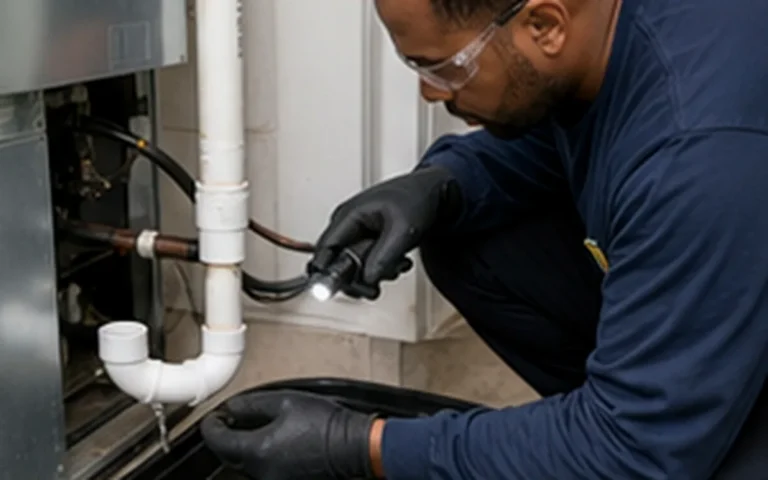
Diagnose condensate drainage, pan, coil, and pump conditions that cause water around an AC system.
View service details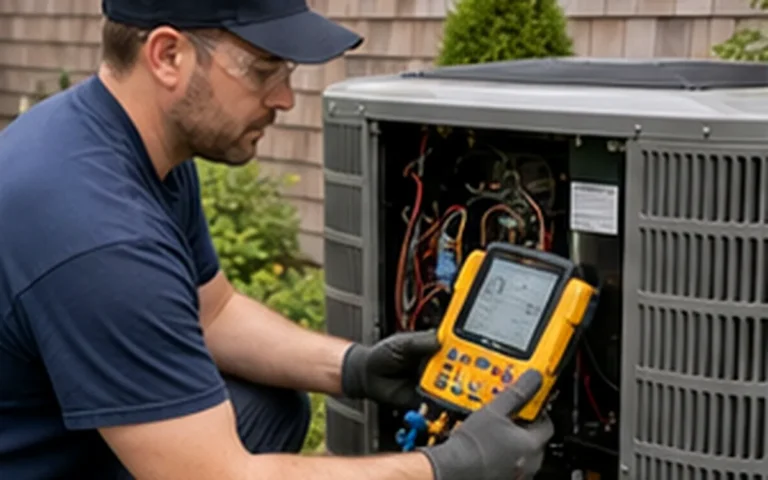
Diagnose an AC system that does not start or respond to the thermostat.
View service detailsThe Trane S9V2 Link-enabled operation alarm table identifies E13 when blower HP or OEM ID does not match the furnace.
The Trane S9V2 Link-enabled operation alarm table associates E13 with "Blower HP or OEM ID mismatch".
This page uses the Trane S9V2 Link-enabled furnace alarm-code data set for S9V2 variable-speed gas furnaces.
The source-backed S9V2 row groups E13 under blower identification.
Source-backed Trane FNR-SVN001A-EN Link-enabled furnace error-code table for S9V2 variable-speed furnaces.
This page is based on the S9V2 row where the code is "E13" and the Trane alarm message is "Blower HP or OEM ID mismatch".
Yes. The documented row pairs E13 with "Blower HP or OEM ID mismatch"; both the code and the message should be matched before using this page.
Yes. The source set for this record is the Trane S9V2 Link-enabled furnace alarm-code data set.
No. This record is tied to the S9V2 Link-enabled furnace data set. A different Trane product family should use its own documented alarm or error-code table.
The S9V2 row lists the system area for E13 as "Blower identification".
No. The system area "Blower identification" organizes the documented alarm row; it does not by itself identify every jobsite cause.
The Trane S9V2 Link-enabled operation alarm table identifies E13 when blower HP or OEM ID does not match the furnace.
The page connects the documented S9V2 alarm row to a specific stored Trane product, so the visible product model, code, and message stay together.
No. The code and message on this page come from the S9V2 Link-enabled furnace alarm table, so the exact S9V2 model and displayed code should be matched to the documented row.
No. The documented meaning for E13 should be read with the associated message "Blower HP or OEM ID mismatch" and the system area "Blower identification".
No. The S9V2 alarm table separates individual codes. This page is for E13, which the source-backed row defines as "Blower HP or OEM ID mismatch".
Match the furnace family, the visible alarm code, and the exact alarm message to the documented S9V2 row before using this page as service-prep context.
That wording comes from the Trane S9V2 alarm-code row. It is the system area used to organize the documented E13 condition.
Capture the exact code, any displayed alert text, the model and serial number, thermostat or control status, operating mode, symptoms, and photos of the display or LED pattern before the alert history is cleared.









Schedule service
Our team will contact you to confirm the next step.