
Air handler

Back to Mitsubishi products

Mitsubishi PVFY-L Multi-Position Air Handler service and support

Mitsubishi Commercial VRF and HVAC systems Air handler Repair, maintenance, and replacement planning
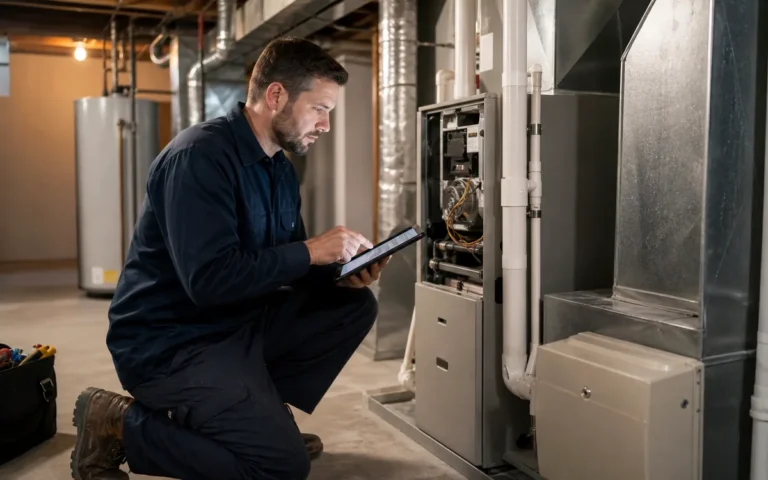
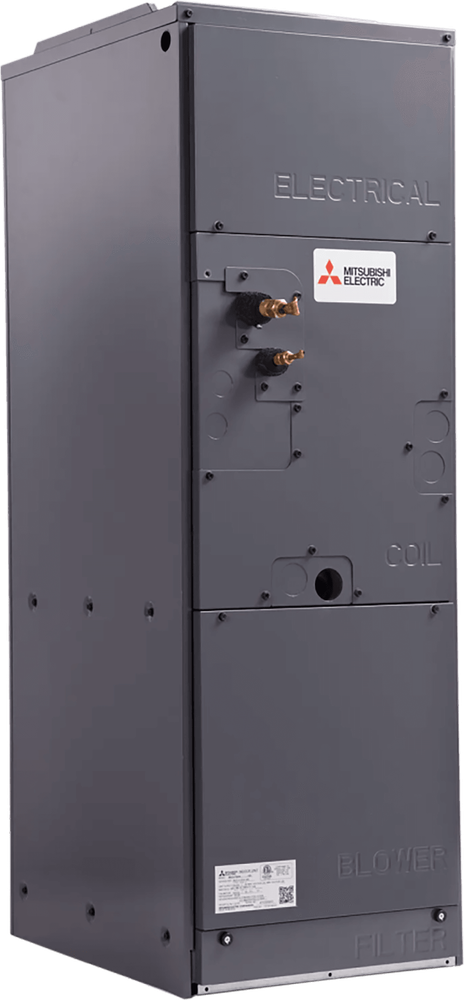
Mitsubishi PVFY-L Multi-Position Air Handler product image

Product service snapshot

Mitsubishi PVFY-L Multi-Position Air Handler service details

Compact and quiet, our Multi-position Air Handler is designed for easy horizontal or vertical installation and simplified maintenance, making it ideal for any new construction or ducted retrofit projects, where it can be installed in closets, attics, or equipment rooms. It features a highly efficient DC motor and a forward curved blower to ensure quiet, consistent fan operation. The Air Handler has a selectable external static pressures of 0.3, 0.5, or 0.8 in. w.g. with 3 fan speeds at each static setting provides application diversity

  • Brand: Mitsubishi
  • Model or series: PVFY-L Multi-Position Air Handler
  • Equipment type: Air handler
  • Product group: Commercial VRF and HVAC systems

Technical snapshot

Mitsubishi PVFY-L Multi-Position Air Handler technical snapshot

Product Specs

  • Mitsubishi model family: PVFY-L
  • Product category: Air handler
  • Product group: Commercial VRF and HVAC systems
  • Platform: CITY MULTI commercial VRF platform
  • Indoor unit style: ducted indoor unit or multi-position air handler
  • Brand: Mitsubishi
  • Model or series: PVFY-L Multi-Position Air Handler
  • Equipment type: Air handler
  • System role: Indoor air-moving unit for a matched heating and cooling system
  • Application: Commercial, light-commercial, or managed-building HVAC and water-heating applications
  • Compatibility check: Match with compatible outdoor equipment, controls, airflow, voltage, and capacity before service or replacement.
  • Verified source: mitsubishicomfort.com
Useful troubleshooting details

  • Confirm the outdoor module model, serial number, tonnage, voltage, refrigerant circuit, connected indoor units, branch controllers, and control network.
  • Share no heat, no cooling, error codes, lockouts, defrost, compressor, fan, branch-controller, communication, or tenant comfort details.
  • For commercial or managed buildings, include rooftop or mechanical access, business hours, affected zones, recent maintenance, and replacement planning goals.

Service planning

How GreenFlow handles PVFY-L Multi-Position Air Handler requests

1

Identify the equipment

Confirm the model or series name, serial number if available, photos, and whether the unit is roof, exterior, basement, or mechanical-room equipment.

2

Describe the service issue

Share no heat, no cooling, weak airflow, error codes, alarms, leaks, noise, control problems, or comfort complaints.

3

Review access and history

Include access notes, tenant or business-hour constraints, filter status, recent repairs, and maintenance records when available.

4

Plan the next step

GreenFlow can route the request for diagnostics, repair planning, maintenance, replacement scope, or related system upgrades.

PVFY-L Multi-Position Air Handler service questions

Can GreenFlow help with Mitsubishi PVFY-L Multi-Position Air Handler service requests?

Yes. GreenFlow can help collect the right details for Mitsubishi PVFY-L Multi-Position Air Handler service requests, including the model, symptoms, equipment age, building type, access notes, photos, and timing.

What symptoms should I mention for PVFY-L Multi-Position Air Handler?

Helpful symptoms include weak airflow, uneven comfort, blower issues, humidity concerns, coil icing, condensate concerns, filter status, thermostat behavior, and whether the indoor equipment is paired with AC or a heat pump.

Is PVFY-L Multi-Position Air Handler used for residential or commercial properties?

Air handler and coil requests are usually tied to residential, condo, multifamily, or managed-property AC and heat pump systems where indoor equipment condition and equipment matching matter.

What helps schedule PVFY-L Multi-Position Air Handler service faster?

Share the exact model and serial number if available, clear photos of the equipment and surrounding access area, current symptoms, recent maintenance history, and whether the request is repair, maintenance, or replacement planning.